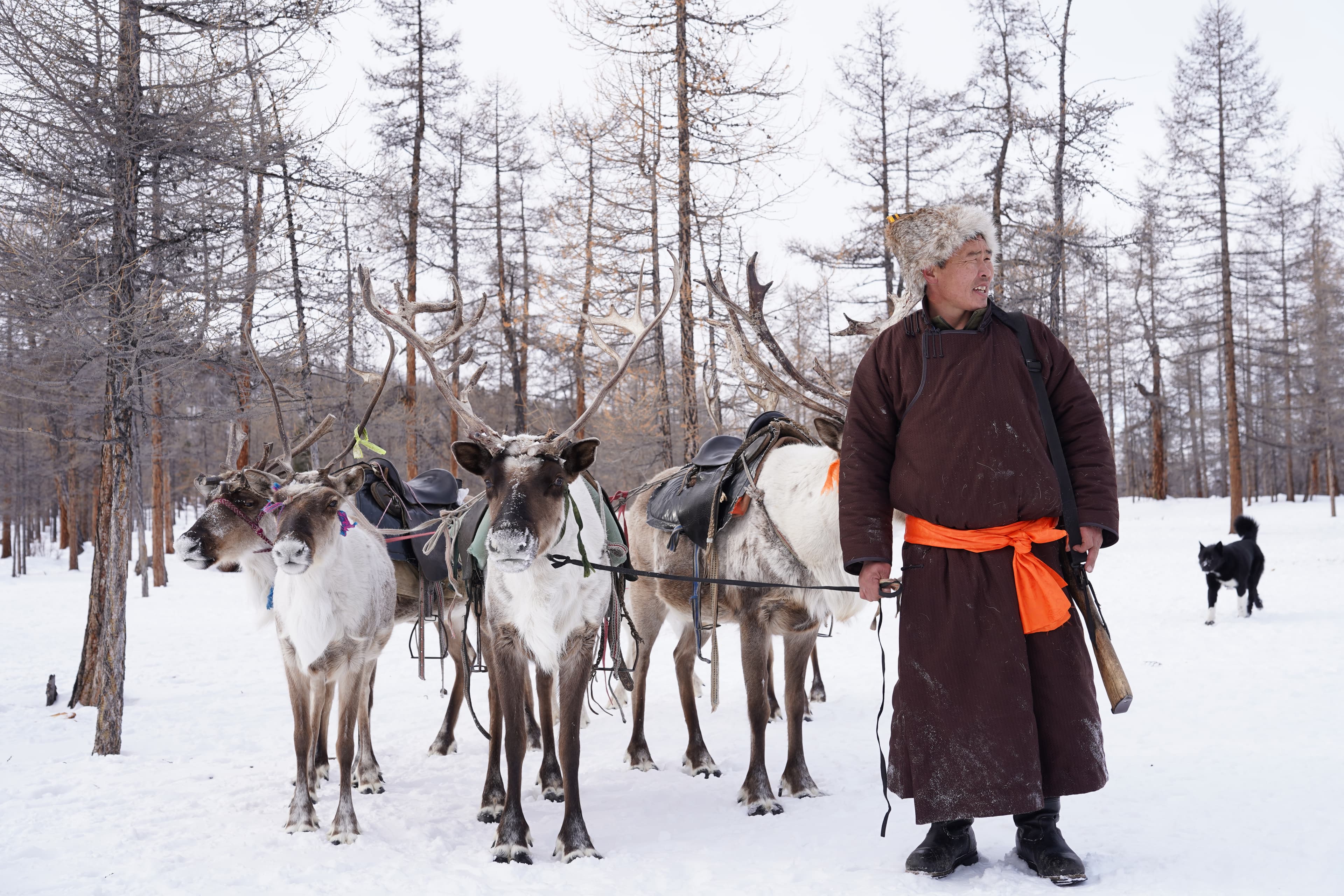
The Tsaatan People — Mongolia's Last Reindeer Herders

Batgerel Byambatogtokh(Bata)
Manager & Guide
The Tsaatan People — Mongolia's Last Reindeer Herders
Deep in the remote taiga forests of northern Mongolia, where the trees grow thick and the air carries the scent of pine and woodsmoke, lives one of the most remarkable communities on earth. The Tsaatan people — whose name simply means "those who have reindeer" — are among the last reindeer-herding cultures in the world, and their way of life has remained largely unchanged for thousands of years. There are fewer than 500 Tsaatan people left today, making them one of the smallest ethnic groups in Mongolia. Yet what they lack in numbers, they more than make up for in cultural richness, resilience, and a bond with their animals that is unlike anything most travelers will ever encounter.
Who Are the Tsaatan?
The Tsaatan are a Turkic-speaking people with origins in the Tuvan region of southern Siberia. They migrated into what is now northern Mongolia centuries ago, settling in the remote Khövsgöl Province near the Russian border — specifically in the East and West Taiga, two of the most isolated regions in Central Asia. Their entire existence revolves around their reindeer. The animals provide milk for drinking and making cheese, hides for clothing and shelter, and transportation across terrain that no vehicle can navigate. Reindeer are not just livestock to the Tsaatan — they are companions, family members, and the foundation of their cultural identity. A Tsaatan family without reindeer is, in their own words, no longer truly Tsaatan.
Life in the Taiga
The Tsaatan live in tipis called ortz — conical structures made from wooden poles and animal hide that can be assembled and disassembled quickly as the family moves between seasonal grazing grounds. Unlike the round felt gers used by most Mongolian nomads, the Tsaatan ortz reflects their closer cultural ties to the indigenous peoples of Siberia.
They move camp several times a year, following their reindeer to fresh pasture. In summer they move to higher alpine meadows; in winter they descend to sheltered valleys where the forest offers protection from the brutal cold. Temperatures in the taiga regularly drop below -40°C in winter, and surviving in these conditions requires generations of accumulated knowledge that simply cannot be learned from a book. Daily life centers around caring for the herd — milking reindeer in the morning, tracking their movements through the forest, and making sure the animals are healthy and safe from predators. Children learn to ride reindeer almost before they can walk, and by the time they are teenagers they can navigate the taiga on their own.
Shamanism and Spiritual Life
The Tsaatan are one of the few communities in Mongolia where shamanism remains a living, actively practiced tradition rather than a cultural artifact. Their shamans — known as boo — serve as intermediaries between the human world and the spirit world, performing ceremonies to heal the sick, ensure safe travel, and maintain harmony between the community and the natural forces around them. Shamanic rituals involve drumming, chanting, and trance states that can last for hours. The shaman's costume is itself a sacred object, adorned with ribbons, animal bones, and symbols that represent their spiritual powers. Witnessing a genuine shamanic ceremony is one of the most profound cultural experiences available to travelers anywhere in the world — and it is something the Tsaatan share only when they choose to, with visitors who approach with genuine respect.
The Challenges They Face Today
Despite their deep roots in the taiga, the Tsaatan face serious challenges in the modern world. Climate change is altering the taiga ecosystem, reducing the quality of grazing land and disrupting the seasonal rhythms the community has depended on for centuries. Disease has periodically devastated reindeer herds, threatening the very foundation of Tsaatan life. Young people face a difficult choice between staying in the taiga and pursuing education and opportunities in nearby towns. Each family that leaves the forest represents a loss of knowledge and tradition that can never fully be recovered. Organizations working with the Tsaatan are trying to support the community in ways that allow younger generations to maintain their culture while also accessing modern healthcare and education — but the balance is fragile. Responsible tourism, done properly, is one of the few economic opportunities that allows Tsaatan families to earn income without leaving the taiga or abandoning their way of life. How to Visit the Tsaatan Reaching the Tsaatan requires real commitment. There are no roads into the East or West Taiga — the only way in is on horseback or on foot, through dense forest and river crossings that can take one to two days depending on where the community is camped. This is not a day trip destination. The journey itself is part of the experience. Riding through the Mongolian taiga on horseback, with nothing but birdsong and the sound of hooves on soft ground, is an adventure in its own right. When you finally arrive at the Tsaatan camp and are welcomed into an ortz for a cup of warm reindeer milk, the effort feels entirely worthwhile. The best time to visit is between June and September, when the taiga is accessible and the weather is manageable. Visiting in winter is possible but extremely demanding and only recommended for experienced cold-weather travelers. When visiting, always:
Follow the guidance of your local guide at all times Ask permission before taking photographs Accept hospitality graciously — refusing food or drink can be considered disrespectful Leave no trace and take all waste out of the taiga with you Purchase handicrafts directly from Tsaatan families if offered
Experience It With Us
At PackageTour Mongolia, our Tsaatan Reindeer Herders & Central Mongolia tour takes you deep into northern Mongolia over 14 days, combining the journey to meet the Tsaatan with the stunning beauty of Khuvsgul Lake, the Orkhon Valley, and the Great White Lake. The trek into the taiga is done on horseback, guided by our experienced local team who have built genuine relationships with Tsaatan families over many years. This is not a staged cultural show — it is a real visit to a real community, approached with the respect and care it deserves. If the idea of sitting beside a fire in a Tsaatan tipi, surrounded by reindeer and the silence of the deep forest, speaks to something in you — this tour was made for you.
About the Author
He was born in the central region of Mongolia and raised in a traditional nomadic family, where he developed a deep connection to the steppe, nature, and Mongolia’s rich cultural heritage. This upbringing played a key role in shaping his appreciation for authentic cultural experiences and his desire to share them with others. He later attended Green School Bali in Bali, where he gained an international perspective and developed strong cross-cultural communication skills. This global exposure enabled him to effectively connect with travelers from diverse backgrounds. During his university years, he began working as a tour guide as a side project. What started as a small opportunity quickly developed into a genuine passion, ultimately leading him toward a career in the tourism industry.
You might also like
View all tips →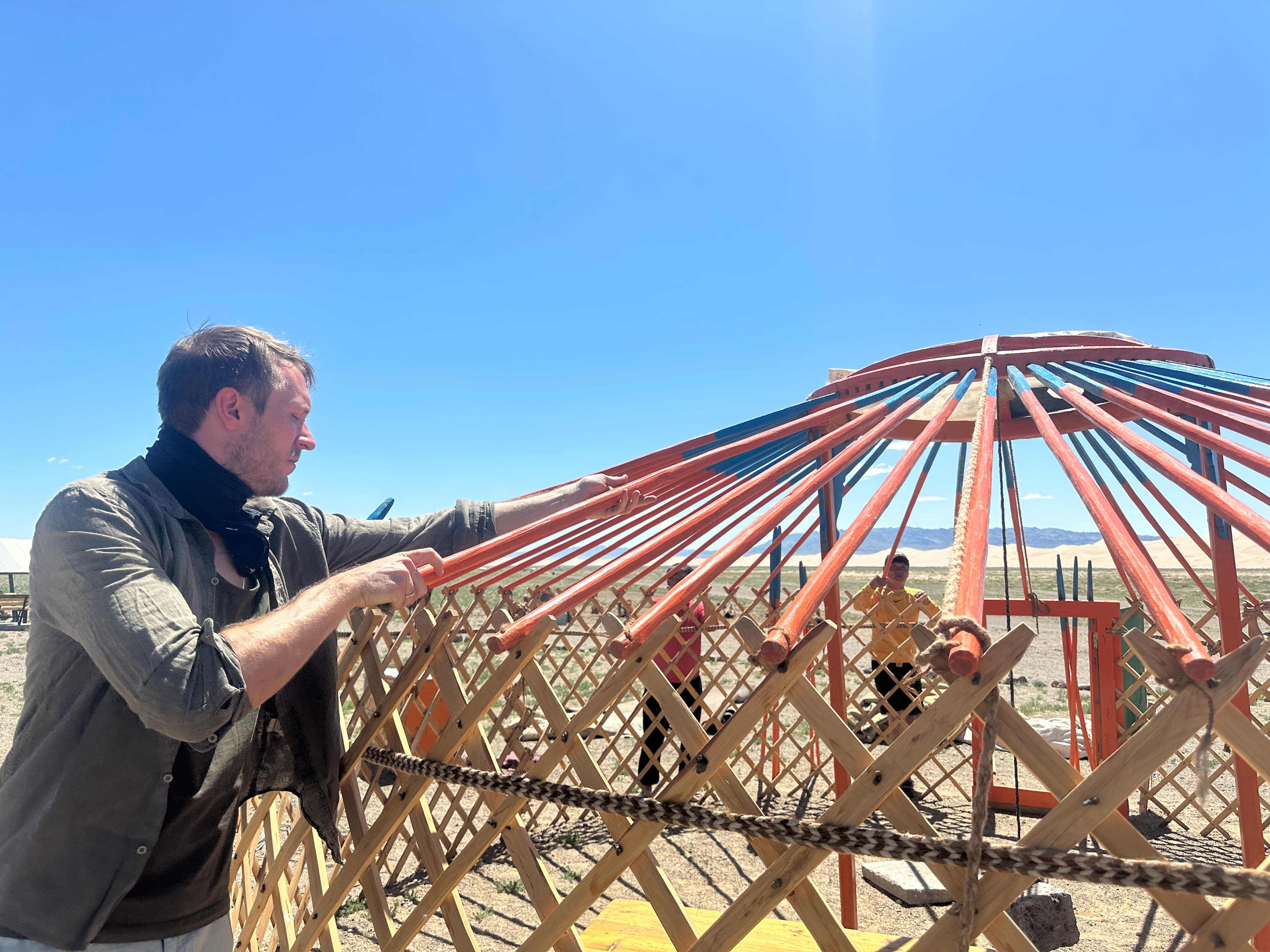
Mongolian Yurt(Ger)
Traditional Mongolian ger is a symbol of nomadic life and Cultural heritage
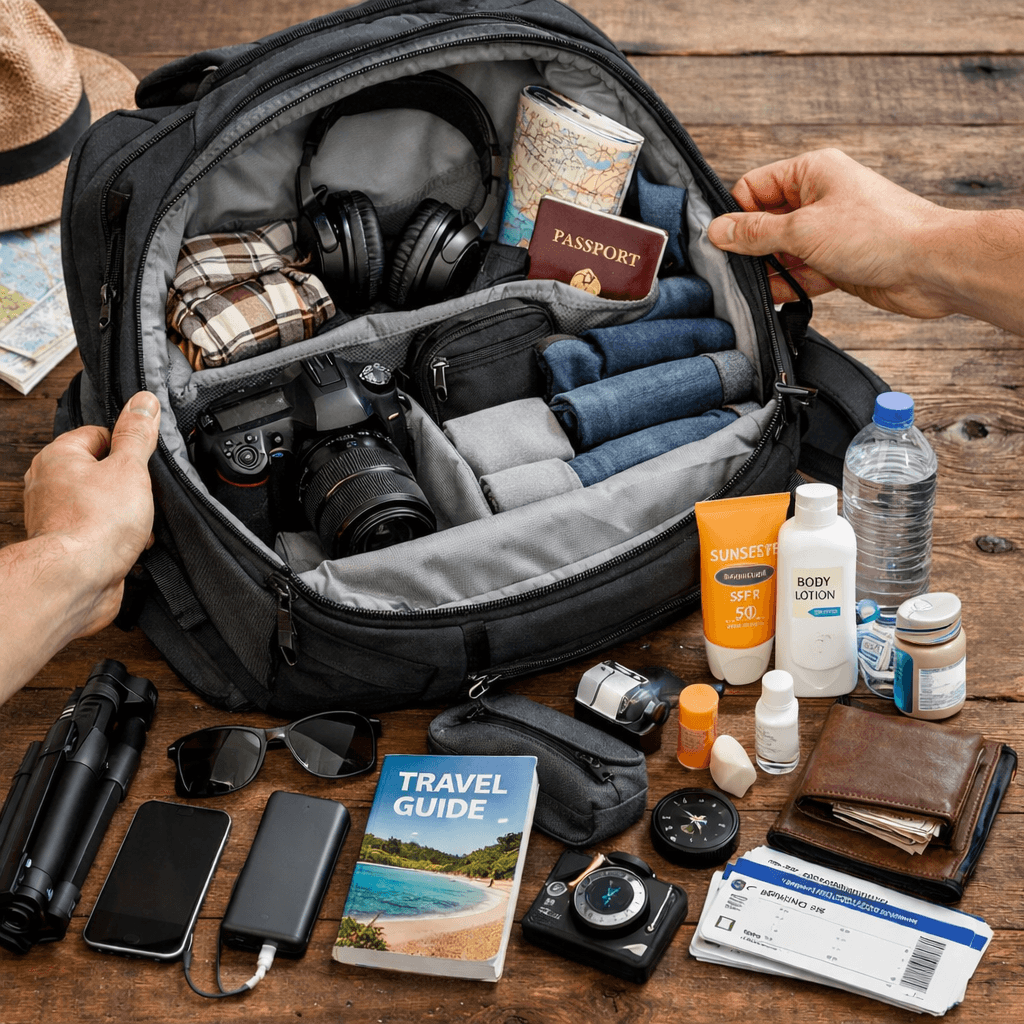
What to pack when traveling to Mongolia
Weather in Mongolia is very extreme, to pack for the suited environment, here is what you should know.
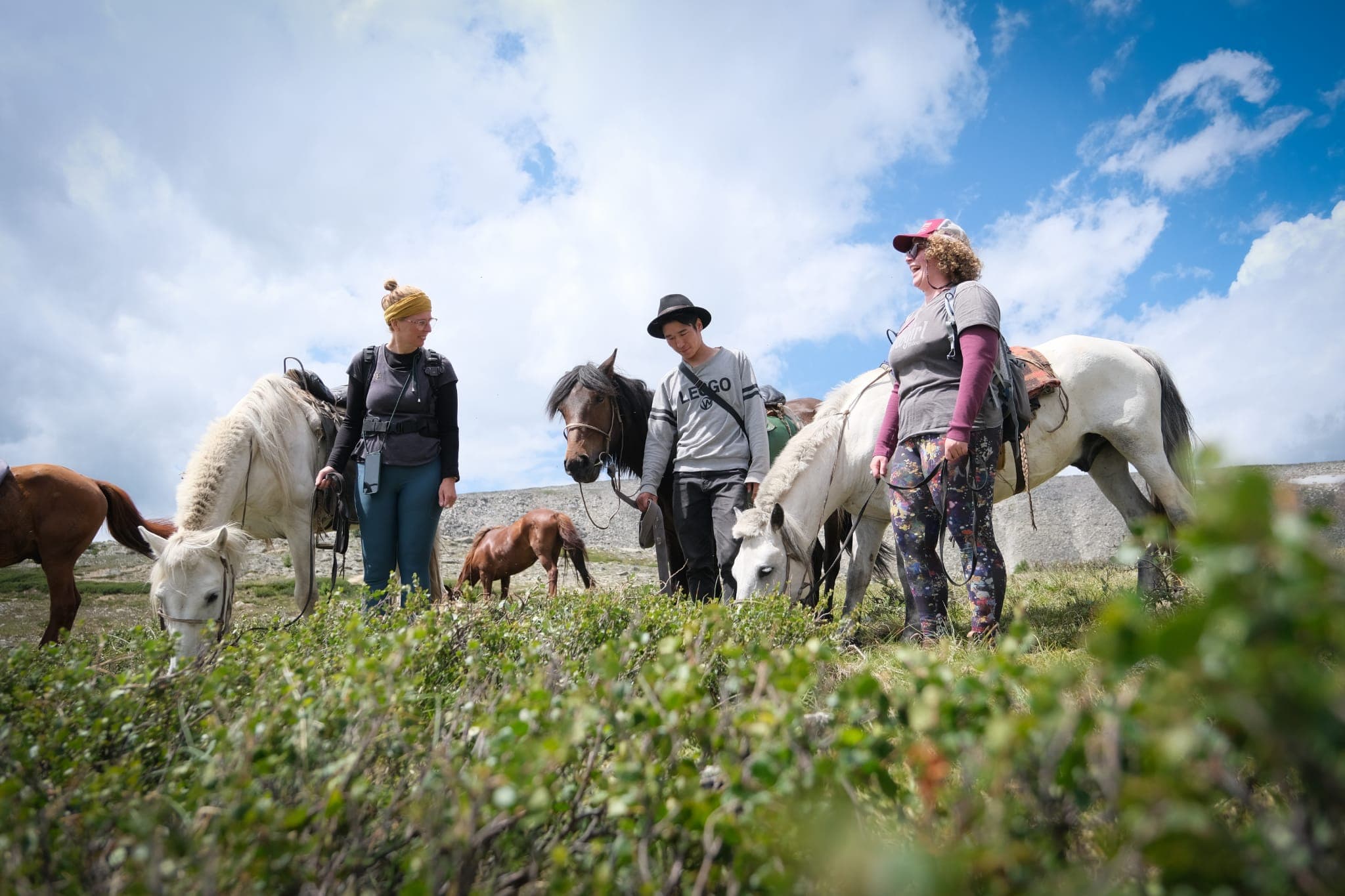
Horse riding
New to horse riding in Mongolia? Learn how Mongolian horses behave, how to stay safe on the trail, and what every traveler should know before their first ride.